















01 – Engagement System
Problem
Research
Solution
Impact
Reflection
02 – Competitive UI
Problem
Research
Solution
Impact
Reflection
03 – Marketing Videos

Pandvil Network

ROLE

ROLE

Design Lead

Design Lead

TIMELINE

October 2024 - Present

October 2024 - Present

TOOLS

Figma · Adobe Creative Suite · Blender · Unreal Engine for Fortnite

Figma · Adobe Creative Suite · Blender · Unreal Engine for Fortnite

ABOUT PANDVIL

Pandvil Network is one of the largest Fortnite Creative platforms, building game experiences played by over a million unique players daily. Think of it as a game studio inside a game platform.

I joined on contract doing thumbnails. Kept shipping, kept taking on more, and within 6 months I was put on full-time, leading all design: game UI, thumbnails, 3D models, marketing videos, and web.

Pandvil Network is one of the largest Fortnite Creative platforms, building game experiences played by over a million unique players daily. Think of it as a game studio inside a game platform.

I joined on contract doing thumbnails. Kept shipping, kept taking on more, and within 6 months I was put on full-time, leading all design: game UI, thumbnails, 3D models, marketing videos, and web.

0.0M

Followers

0.0B

Minutes Played

0M

Favorites

01 ENGAGEMENT SYSTEM

01 ENGAGEMENT SYSTEM

Built a system that increased followers 10× across 20+ live experiences

1

1

PROBLEM

PROBLEM

2

2

RESEARCH

RESEARCH

3

3

SOLUTION

SOLUTION

4

4

SHIP

SHIP

5

5

IMPACT

IMPACT

PROBLEM

Pandvil's games were getting millions of plays, but likes, favorites, and follows weren't keeping pace. That gap matters. Fortnite's discovery algorithm weighs engagement signals heavily. Low likes and favorites meant less algorithmic reach, weaker social proof, and slower growth, even when the games themselves were performing well.

Pandvil's games were getting millions of plays, but likes, favorites, and follows weren't keeping pace. That gap matters. Fortnite's discovery algorithm weighs engagement signals heavily. Low likes and favorites meant less algorithmic reach, weaker social proof, and slower growth, even when the games themselves were performing well.

The question was how do we turn plays into lasting engagement?

The question was how do we turn plays into lasting engagement?

RESEARCH

I started by looking at who we're designing for and what other platforms were already doing. Two things stood out:

I started by looking at who we're designing for and what other platforms were already doing. Two things stood out:

Fortnite's player base is mostly kids

They're not going to seek out a follow button or think to favorite a map on their own. If you don't ask, they won't do it.

The YouTube principle

Same reason every YouTuber says "like and subscribe". It works because people need the reminder.

Most creators already had engagement prompts: physical in-game signs and favorite popups. But the execution was almost always bad, pushing visibility over experience.

Most creators already had engagement prompts: physical in-game signs and favorite popups. But the execution was almost always bad, pushing visibility over experience.

OTHER CREATORS

Popups take up ¼ of the screen

Loud, impossible to ignore

Actively hurts gameplay experience

Map code shows name, not actual code

Breaks TOS

OUR APPROACH

Subtle, non-disruptive prompts

Appears every 10-15s, easy to dismiss

Respects the gameplay experience

Shows actual map code for discovery

Doesn't break TOS

SOLUTION

Ask players to engage without ruining their experience. Two systems working together:

Ask players to engage without ruining their experience. Two systems working together:

The Popup

A prompt displaying the map code and encouraging likes and favorites every 10 seconds, subtle enough to avoid disruption. It also doubles as a discovery tool when clips go viral.

Physical Alert

In-game element reinforcing the message. Matches the game's visual quality, not an afterthought.

ITERATIONS

Competitive Style

Clean, minimal. Zero distraction.

Variety

Cartoony, kid-friendly approachable style

IMPACT

0X

Follower Growth

0K

0.0M

Followers

Rolled out across 20+ live Pandvil experiences, each with its own tailored version. The prompt cadence and visual treatment were iterated on to find the balance between visibility and subtlety.

Rolled out across 20+ live Pandvil experiences, each with its own tailored version. The prompt cadence and visual treatment were iterated on to find the balance between visibility and subtlety.

1.6M notified per release

Higher launch day players

Compounding growth

The real value of 1.6M followers is that every new game or update gets pushed to 1.6 million players, which means higher launch day traffic, which increases the chance of hitting Fortnite's Discovery page, which exposes the game to millions of new players who've never seen Pandvil before. One UI intervention created a flywheel that compounds with every release.

The real value of 1.6M followers is that every new game or update gets pushed to 1.6 million players, which means higher launch day traffic, which increases the chance of hitting Fortnite's Discovery page, which exposes the game to millions of new players who've never seen Pandvil before. One UI intervention created a flywheel that compounds with every release.

Engagement

Better visibility

More players

Repeat

The UI alone isn't the only factor: content quality, streaming presence, and consistency all play a role. But this was the missing mechanism that converted passive plays into retained followers at scale. Before this, Pandvil was generating plays without capturing engagement.

The UI alone isn't the only factor: content quality, streaming presence, and consistency all play a role. But this was the missing mechanism that converted passive plays into retained followers at scale. Before this, Pandvil was generating plays without capturing engagement.

REFLECTION

This project changed how I think about design impact. I didn't expect such a small UI to move the needle more than any thumbnail, trailer, or visual redesign I'd done. It taught me that the highest-leverage work isn't always the most visible.

The design also spread beyond Pandvil. Other Fortnite Creative creators started implementing the same approach in their games, and tutorials started appearing on YouTube and Twitter showing how to recreate it. What started as an internal solution became something the wider community adopted.

This project changed how I think about design impact. I didn't expect such a small UI to move the needle more than any thumbnail, trailer, or visual redesign I'd done. It taught me that the highest-leverage work isn't always the most visible.

The design also spread beyond Pandvil. Other Fortnite Creative creators started implementing the same approach in their games, and tutorials started appearing on YouTube and Twitter showing how to recreate it. What started as an internal solution became something the wider community adopted.

02 COMPETITIVE DESIGN SYSTEM

02 COMPETITIVE DESIGN SYSTEM

Standardized high-skill UI across Pandvil’s competitive ecosystem

Standardized high-skill UI across Pandvil’s competitive ecosystem

1

1

PROBLEM

PROBLEM

2

2

RESEARCH

RESEARCH

3

3

SOLUTION

SOLUTION

4

4

SHIP

SHIP

5

5

IMPACT

IMPACT

PROBLEM

Pandvil's competitive maps are played by millions of competitive players. The UI worked, but it wasn't built for the speed competitive play demands. Four areas needed attention:

Pandvil's competitive maps are played by millions of competitive players. The UI worked, but it wasn't built for the speed competitive play demands. Four areas needed attention:

01 — Selection UI

Too many steps to pick a team. The "Your Selection" panel, confirmation flow, and unclear "Skip" vs "Close" actions added friction to a moment that should take seconds.

02 — Rank UI

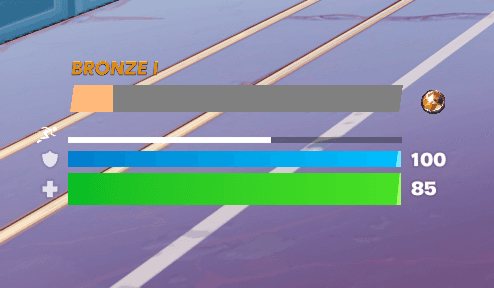
The custom rank display didn't align with Fortnite's native health and shield system. It felt disconnected, like it was layered on top of the game instead of integrated into it.

03 — Transition UI

Round transitions showed a branded splash screen. It was a strong visual moment, but gave players zero performance feedback: no kills, no damage, no results. It interrupted momentum instead of reinforcing it.

04 — Timer UI

The countdown was functional but visually neutral. In competitive maps, the timer should feel urgent and intentional.

RESEARCH

I looked at how other creators handled competitive UI and studied games outside the platform that nail the competitive feel. This is what I noticed:

I looked at how other creators handled competitive UI and studied games outside the platform that nail the competitive feel. This is what I noticed:

Competitive pacing

Players want to move quickly between rounds. In high-performing competitive maps, transitions are fast and lightweight — players can jump back into gameplay almost immediately.

Reducing Cognitive Load

By comparison, some of our UI flows felt heavier. Selection required extra confirmation space, transitions prioritized branding over performance data, and certain elements lacked clear hierarchy.

COMMUNITY FEEDBACK

“Remove the red screen — it ruins momentum.”
— @Edgelaw

“It shouldn’t be on the screen when we’ve already loaded in.”
— @stixx

“It shouldn’t be on the screen when we’ve already
loaded in.”

— @stixx

“It messes me up getting walls before the other team.”
— @skye

“It messes me up getting walls before the other
team.”

— @skye

"Plz remove this screen between rounds."
— @Juqnpi

KEY INSIGHTS

Competitive players value momentum and measurable performance.

UI should reinforce speed, clarity, and contribution, not interrupt the loop with extra steps or branding-heavy transitions.

Competitive players value momentum and measurable performance.

UI should reinforce speed, clarity, and contribution, not interrupt the loop with extra steps or branding-heavy transitions.

SOLUTION

Instead of redesigning screens per map, I rebuilt the UI as a cohesive system focused on clarity, hierarchy, and performance feedback.

Instead of redesigning screens per map, I rebuilt the UI as a cohesive system focused on clarity, hierarchy, and performance feedback.

01 — Simplified Team Selection

The modal had too many steps for a time-sensitive moment. I combined selection and confirmation into a single interface, replaced "Skip" with "Close" to clarify the action, and cut the decision steps in half.

02 — Rank and Health Integration

The rank display and health bar both felt disconnected from each other and from the rest of our UI. I redesigned both to work as one cohesive system: aligned spacing, consistent contrast, and a visual language that matches across all Pandvil competitive maps.

03 — Performance-Based Round Transition

Players don't need to see branding between rounds; they want to know how they did. I replaced the splash with a structured scoreboard surfacing kills, damage, and team results during the same transition window.

04 — Elevated Countdown Hierarchy

Increased contrast and visual weight so the timer communicates urgency before each round. Small change, big difference in competitive intensity.

CONSTRAINTS

The system had to feel stronger — without feeling heavier.

The system had to feel stronger — without feeling heavier.

UEFN Limitations

Native elements can't be fully overridden. Required creative workarounds like the material-driven rank system.

Performance

High intensity on lower-end consoles. No unnecessary Verse logic, everything lightweight.

Screen Real Estate

Gameplay clarity always takes priority — especially during build fights and fast transitions.

IMPACT

The competitive UI system became the default template for all future competitive maps.

The competitive UI system became the default template for all future competitive maps.

Standardized framework

Faster map launches

Positive feedback

New competitive maps now launch from a shared foundation instead of redesigning UI from scratch. Less repeated work, more visual consistency across Pandvil's competitive ecosystem.

Player complaints about the branded splash disrupting competitive momentum stopped once it was replaced with the performance scoreboard. Players noticed the shift from branding to gameplay.

Most importantly, it became infrastructure — not a one-off design, but a reusable foundation that scales with every new competitive release.

New competitive maps now launch from a shared foundation instead of redesigning UI from scratch. Less repeated work, more visual consistency across Pandvil's competitive ecosystem.

Player complaints about the branded splash disrupting competitive momentum stopped once it was replaced with the performance scoreboard. Players noticed the shift from branding to gameplay.

Most importantly, it became infrastructure — not a one-off design, but a reusable foundation that scales with every new competitive release.

REFLECTION

This project taught me systematic design thinking compounds over time. Building a reusable framework instead of one-off screens means every future release starts stronger.

The hardest part wasn't the visual design. It was working within UEFN's constraints like finding creative workarounds when the platform doesn't give you the tools you expect. That problem-solving is what I carry forward!

This project taught me systematic design thinking compounds over time. Building a reusable framework instead of one-off screens means every future release starts stronger.

The hardest part wasn't the visual design. It was working within UEFN's constraints like finding creative workarounds when the platform doesn't give you the tools you expect. That problem-solving is what I carry forward!

03 MARKETING VIDEOS

03 MARKETING VIDEOS

Concepted, modeled, animated, and edited from scratch

Concepted, modeled, animated, and edited from scratch

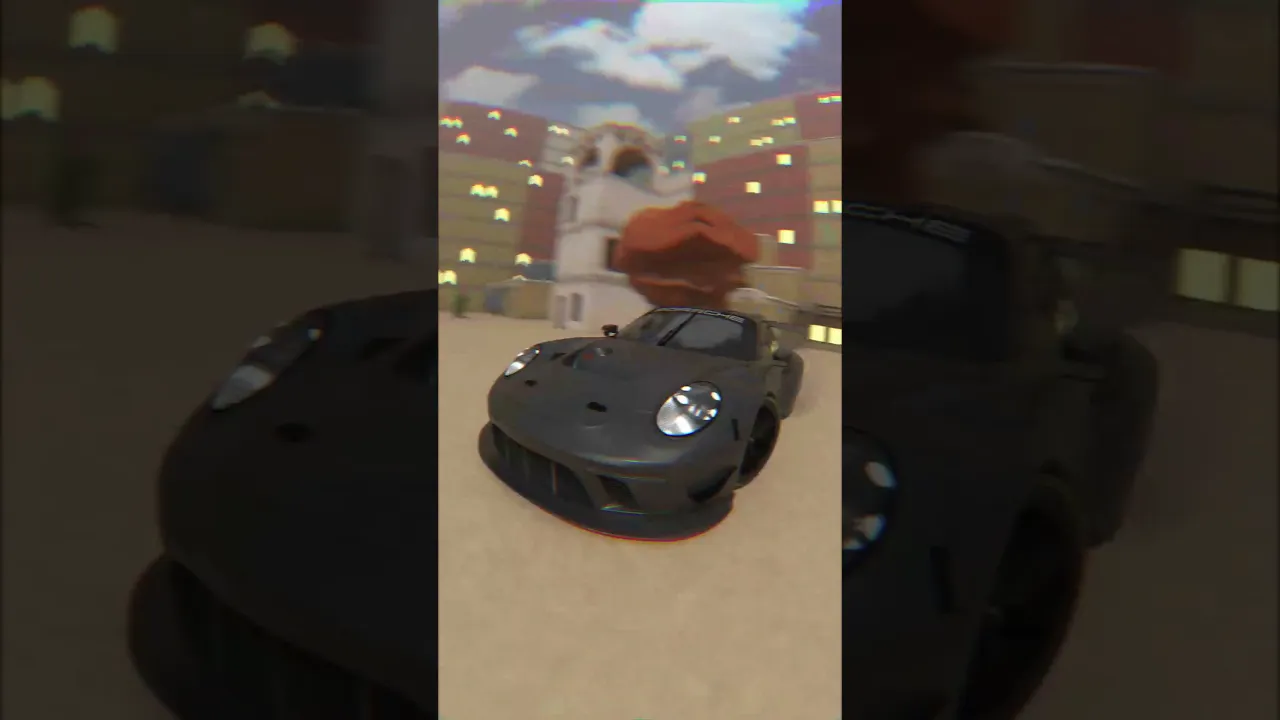
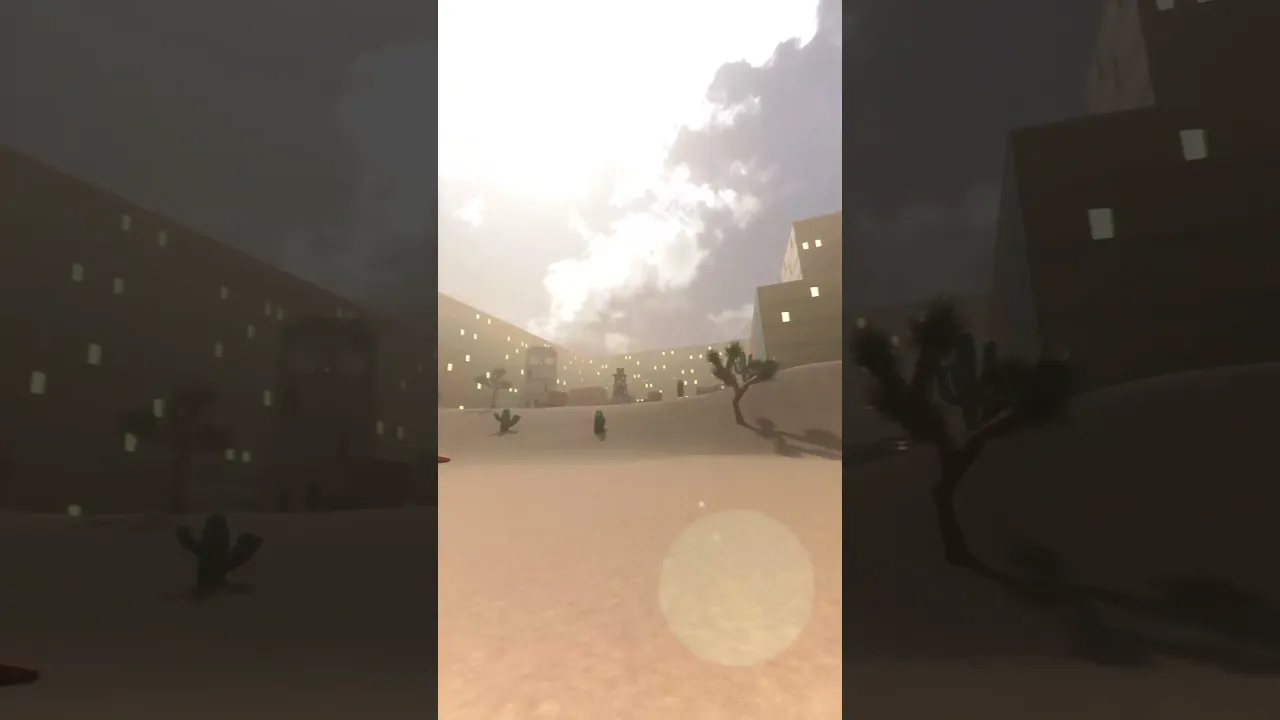
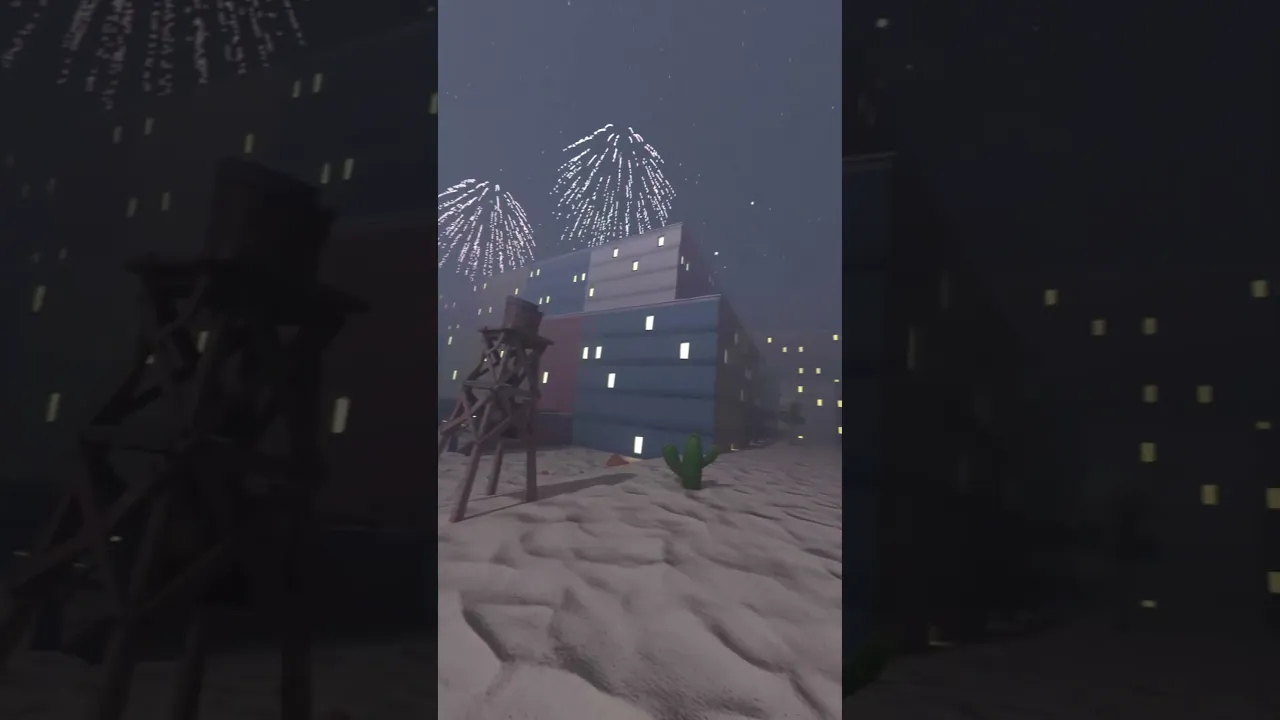
Desert Zonewars had a massive player base years ago but was losing attention. I made a 3D car drifting edit that hit the nostalgia and it blew up. A wave of old players coming back to a game they thought they forgot about.

Desert Zonewars had a massive player base years ago but was losing attention. I made a 3D car drifting edit that hit the nostalgia and it blew up. A wave of old players coming back to a game they thought they forgot about.

0M+

Views

0M+

Comments

Blender

After Effects

Premiere Pro

11M views · 1M likes

554K views · 52K likes

251K views · 29.7K likes

86.1K views · 8K likes

timothy tran

lets connect!